When it comes to sharing documents securely across different platforms, devices, and organizations, the Portable Document Format (PDF) stands as the most widely adopted standard.
PDFs have maintained their dominance due to a combination of security features, universal accessibility, and their ability to preserve the integrity of documents across various operating systems. Despite the evolution of various document formats, PDFs continue to be the preferred choice for professionals and organizations looking for reliable and secure document sharing.
1. Universal Compatibility and Consistency
One of the key reasons PDFs are the standard for secure document sharing is their compatibility across devices and platforms. Whether you’re using a Windows PC, a Mac, or a mobile device, PDFs are designed to look the same, ensuring that the layout, fonts, images, and other elements are preserved without any loss of quality.
- Cross-Platform Consistency: PDFs preserve the exact look of a document, regardless of the operating system or device. This makes PDFs highly reliable for sharing complex documents such as contracts, presentations, and legal papers.
- No Need for Software Installation: Most devices come with built-in PDF readers, meaning recipients don’t need to download special software to view the document, further simplifying the sharing process.
2. PDFs Offer Robust Security Features
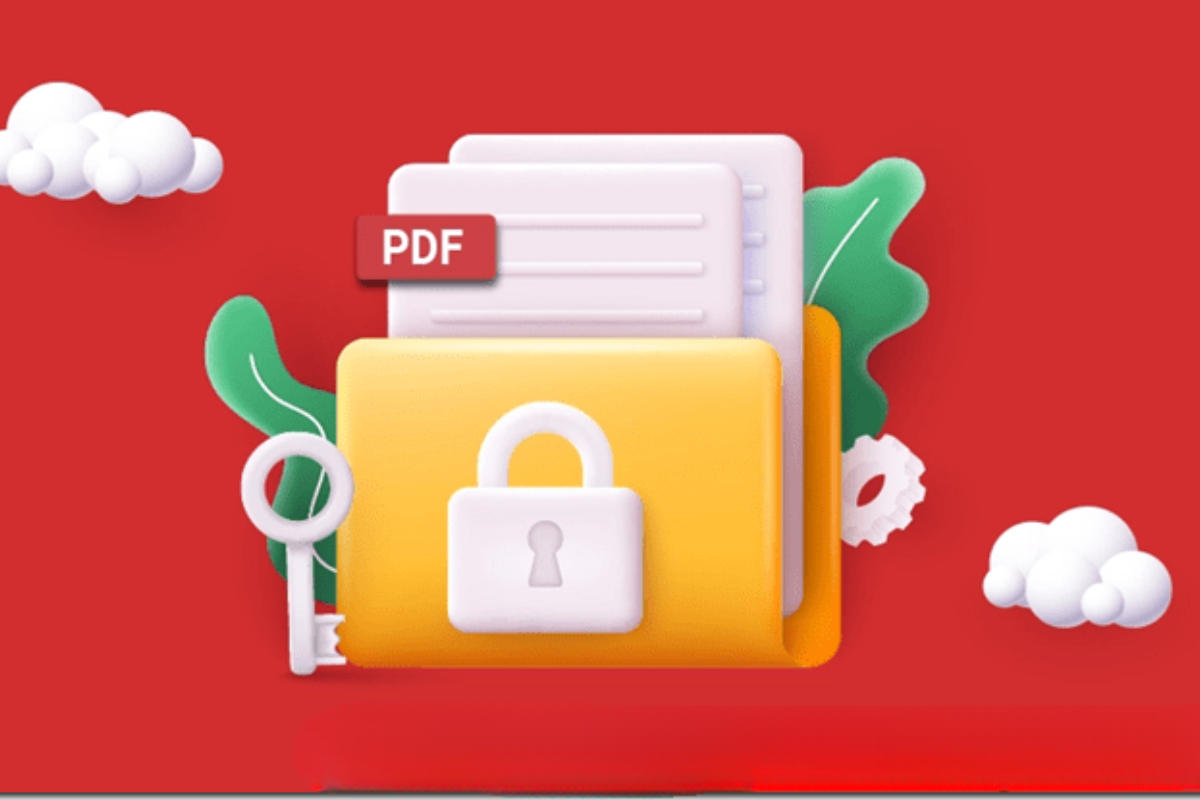
One of the primary reasons PDFs remain the go-to format for secure document sharing is their extensive security capabilities. From encryption to password protection, PDFs are designed to prevent unauthorized access and manipulation of document contents.
Password Protection
- PDFs can be password-protected, ensuring that only individuals with the correct credentials can access the document. This is especially crucial for sensitive documents like financial reports, personal information, or legal contracts.
- The password can be set at different levels of access, granting either read-only access or the ability to edit and modify the document.
Encryption
- PDFs allow for encryption that secures the document by converting it into a format that can only be decrypted with the appropriate key. This ensures that even if a document is intercepted during transmission, it cannot be accessed without the correct credentials.
- Advanced encryption methods such as 256-bit AES provide robust protection against unauthorized access.
Digital Signatures
- Digital signatures provide a way to authenticate the identity of the document’s creator and ensure that the document has not been altered since it was signed. This is an essential feature in legal, business, and government sectors, where authenticity and integrity are crucial.
- Digital signatures also offer a secure way to verify that a document is coming from a trusted source, reducing the risk of fraud.
Redaction
- With tools like automated redaction, sensitive information (such as personal details or classified information) can be completely removed from a document before sharing it. This ensures that the document meets privacy and confidentiality standards while maintaining its structure.
3. PDFs Maintain Document Integrity
When sharing documents, it’s important that the contents remain unchanged and intact, especially for legal or financial documentation. PDFs excel in this area due to their ability to lock the content and prevent any accidental alterations. Unlike word processors, PDFs allow the document to be final, ensuring that any shared document remains the same as when it was created.
- Document Locking: Once a PDF is created, it can be locked to prevent editing. This ensures that recipients can only view the document and cannot make changes unless specific permissions are granted.
- Audit Trails: PDFs can be configured to track changes made by various users, providing a clear audit trail of document modifications. This is essential in scenarios where tracking the history of edits or approvals is required.
4. Compliance and Legal Standards
Many industries, especially in fields such as healthcare, finance, law, and government, require document sharing to adhere to strict compliance and regulatory standards. PDFs align perfectly with these needs, offering features that make them suitable for compliance with laws like GDPR and HIPAA.
- Regulatory Compliance: The ability to securely store and share PDFs ensures that companies meet data protection regulations. Since PDFs can be encrypted and password-protected, they help businesses ensure that sensitive information is kept confidential.
- Archiving and Retention: Legal and business standards often require that documents be archived in a format that maintains their integrity over time. PDFs are the ideal choice for such requirements because they preserve content exactly as it was created, ensuring that it can be retrieved and presented in the same way years later.
5. Ease of Use and Versatility
Another reason PDFs remain the go-to choice for secure document sharing is their ease of use and versatility. Whether you are a small business owner or part of a large enterprise, PDFs are straightforward to work with.
Multiple File Types in One PDF
- PDFs can contain text, images, forms, annotations, and hyperlinks, making them versatile for a wide variety of documents. For example, a PDF can combine contracts, agreements, signatures, and embedded multimedia into one cohesive document.
- Interactive Forms: PDFs allow the creation of fillable forms, making it easier to gather and process information securely from multiple parties.
Convenient Document Sharing
- PDFs can be shared easily via email, cloud services, or physical media (USB drives, CDs). Given that PDFs are universally supported and require minimal software to open, they are ideal for quick and secure sharing across various platforms.
- Compressed File Sizes: PDFs can be compressed, making them easier to share and download, even for large documents.
6. PDFs Are Ideal for Long-Term Document Preservation
For organizations and individuals that need to preserve documents for extended periods, PDFs offer long-term preservation without the risk of file corruption or degradation. Unlike some file formats that may become obsolete over time, PDFs are widely supported and remain accessible for years to come.
- PDF/A: The PDF/A standard is a version of PDF designed specifically for long-term archiving. It ensures that the document’s contents and appearance will remain consistent for decades, even as software and systems evolve.
PDFs have earned their place as the standard for secure document sharing due to their combination of security features, document integrity, and universal compatibility. Whether you’re a legal professional looking to share contracts, a healthcare provider transmitting sensitive patient information, or a business owner handling invoices and financial documents.
PDFs provide the protection and consistency needed to ensure that your documents remain secure, intact, and compliant with regulations. As new security measures and features are added, PDFs will continue to play a crucial role in the safe and efficient sharing of documents in a digital world.
FAQs
How can I make my PDFs more secure when sharing?
You can enhance the security of your PDFs by adding password protection, using encryption, adding digital signatures, and employing redaction tools to remove sensitive information.
Can PDFs be edited after being shared?
Yes, PDFs can be edited if permissions are granted. However, they can also be locked to prevent editing, ensuring the integrity of the shared document.
What makes PDFs more secure than other formats?
PDFs offer built-in encryption, password protection, digital signatures, and redaction, all of which make them highly secure for sharing sensitive information compared to other file formats.
Are PDFs suitable for long-term document storage?
Yes, PDFs, especially PDF/A, are designed for long-term preservation, ensuring that documents retain their content and format for years without degradation.